The Aquatic Ecology and Biotechnology group researches the impact of pollutants on ecosystems, assessing risks to biodiversity and health through the study of chemical and non-chemical stressors. Additionally, it focuses on microbial ecology, antibiotic resistance in aquatic environments, and the development of technologies for water treatment.
Our team
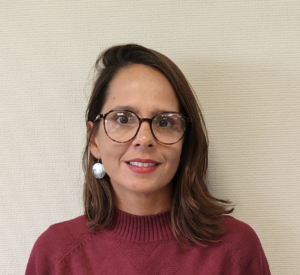
Mariana Vellosa Capparelli
Principal investigatorMariana Capparelli holds a Ph.D. and M.Sc. in Sciences from the University of São Paulo and a degree in Biology from São Paulo State University (UNESP). She is a Researcher at IMDEA Water and leads the Aquatic Ecology and Biotechnology Group. Her research focuses on the effects of anthropogenic stressors on aquatic ecosystems, integrating ecotoxicology, ecology, and biotechnology to promote ecosystem resilience and water sustainability.
María Ángeles Lezcano Vega
Principal investigatorPhD in Microbiology at the Autonomous University of Madrid (UAM) (2017), European Master in Inland Water Quality Assessment at UAM and University of Mälardalen (Sweden) (2011) and degree in Environmental Sciences at UAM (2009).
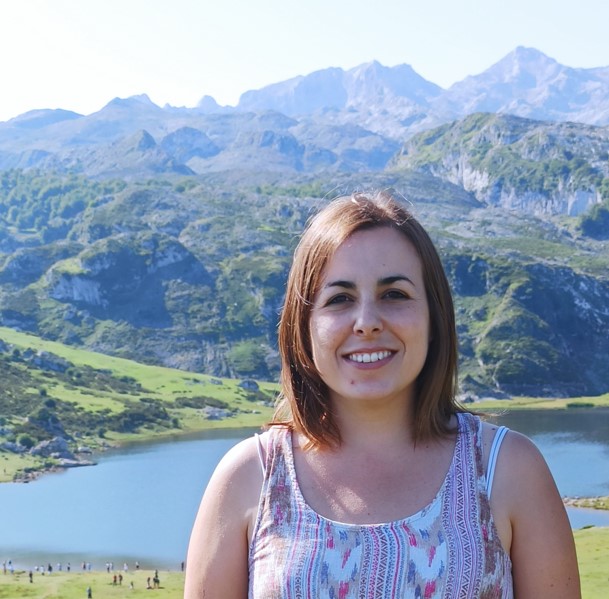
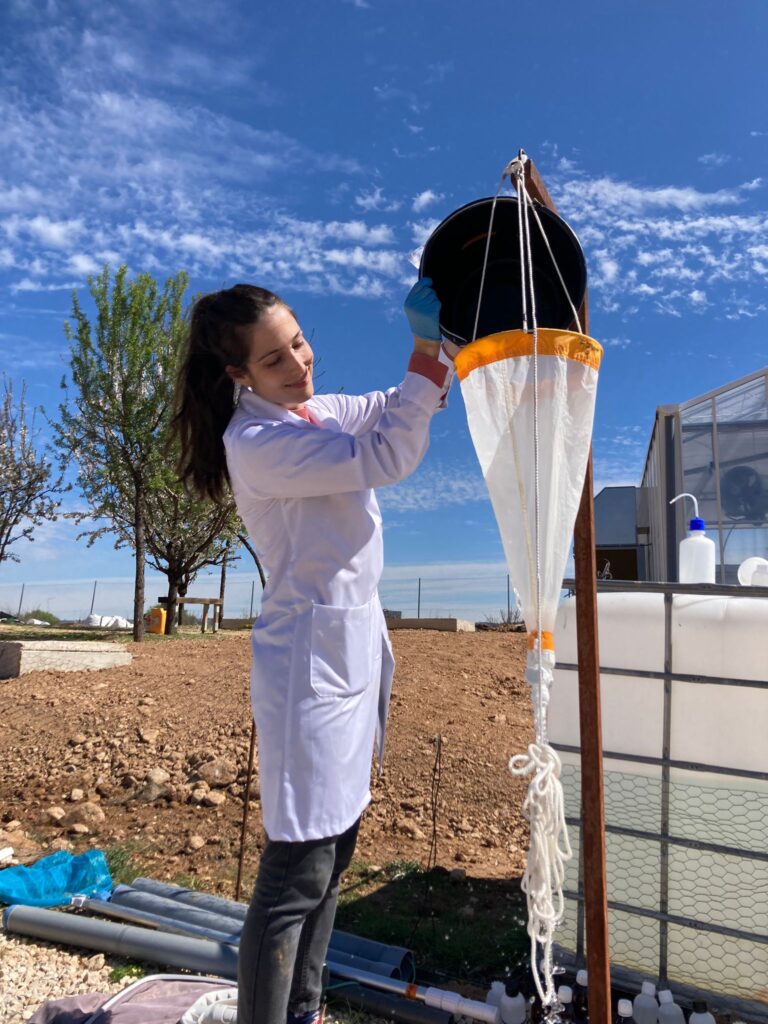
Paula Redondo Hasselerharm
Principal investigatorShe has a bachelor`s degree in Biology from the Autonomous University of Madrid and a master`s dregree in Water Quality Techniques and Sciences from University of Granada. In 2020, she obtained a PhD in Environmental Sciences at the University of Wageningen (The Netherlands), which she carried out in the Aquatic Ecology and Water Quality Management group. The main objective of her thesis was to study the effects of micronanoplastics in aquatic ecosystems. Afterwards, she worked at the Barcelona Institute for Global Health. Her research training has been completed by working at the University of Amsterdam and KWR Water Research Institute (The Netherlands) and at the Granada Water Institute.
Fernando Chaguaceda Borjabad
Postdoc researcherFernando is a postdoctoral researcher interested in the effects of environmental change on ecosystem processes, especially those ones related with trophic interactions and nutrition and its consequences across habitats and ecosystems. To that end, he has used trophic biomarkers (fatty acids, stable isotopes and compound-specific isotopes) following experimental (Lab experiments, mesocosms) and observational field approaches.
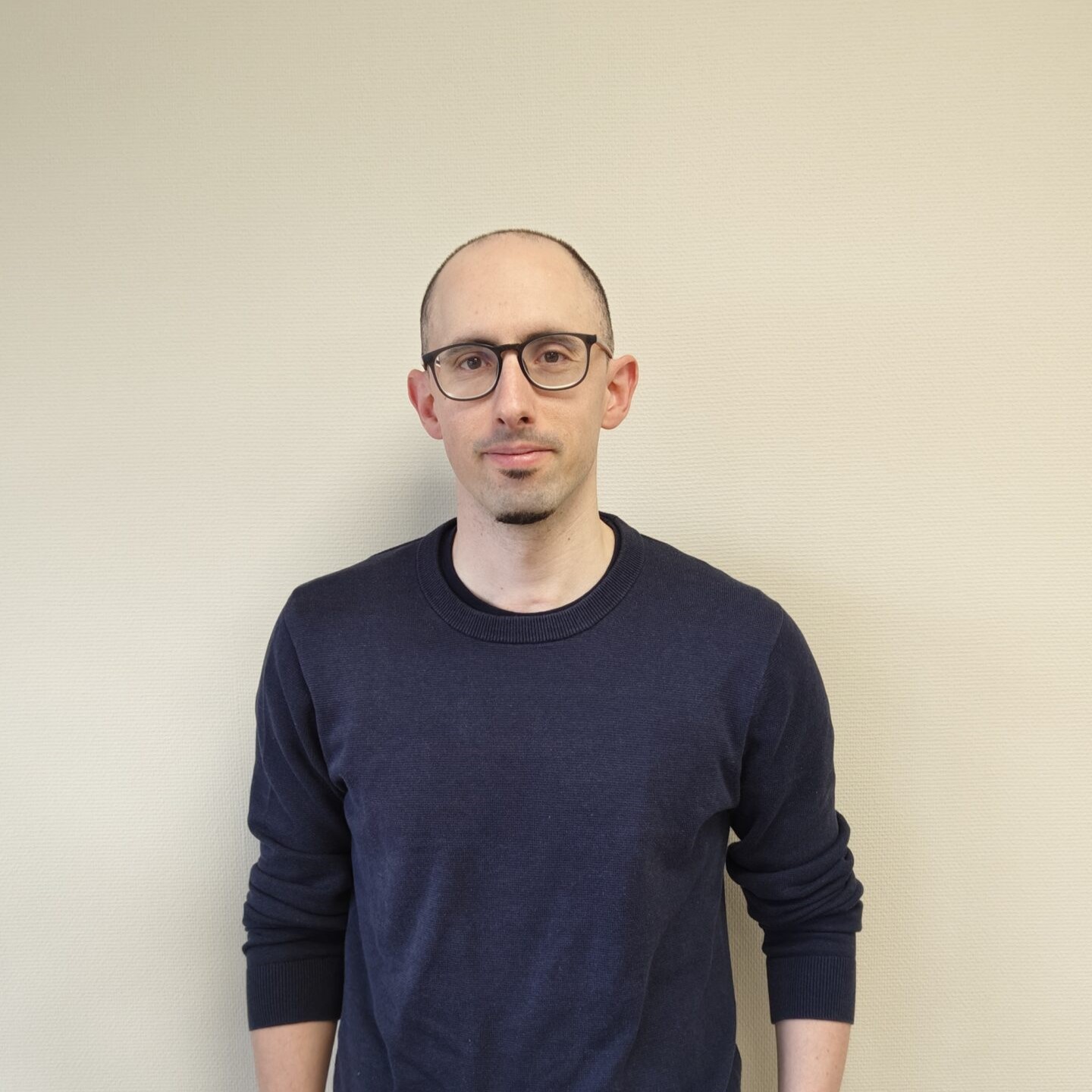
Lorena Martínez García
Predoc researcherGraduated in Biology from the University of Santiago de Compostela (2018) and a Master´s degree in Biotechnology from the Autonomous University of Madrid (2019) and Bioinformatics and bioesthatistics from UOC (2024). Actually doing her PhD in antibiotic resistance in agricultural context and climate change.
Carla Morales Pujante
Predoc researcherGraduated in Marine Sciences from the University of Alicante (2021) and holding a Master’s degree in Environmental Contamination, Toxicology, and Health from the University of Valencia (2023). Nowadays, working on a PhD thesis researching about the development of a degrading cyanotoxins biofilter.
María Ángeles Herrero Vieira
Predoc researcherGraduated in Biology from the Autonomous University of Madrid (2021) and with a master’s degree in Industrial and Environmental Biotechnology from the Complutense University of Madrid (2024). She did her bachelor’s dissertation on the production of anti-ultraviolet compounds by cyanobacteria from the Atacama Desert and her mster’s dissertation on waste revalorization by anaerobic digestion. She is currently doing her PhD thesis at IMDEA Water on ‘Application of cyanotoxin degrading bacteria in water to mitigate the impact of toxic cyanobacterial blooms: from laboratory to pilot scale’.
Gabriela ágreda López
Predoc ResearchColombian biologist with a master’s degree in aquatic ecology from Uppsala University. Interested in the ecology of autotrophic organisms. In particular, the impact of anthropogenic activities and climate change on phytoplankton communities within. Right now, she is a part of the REMOTE project
Mario Márquez Toribio
Predoc researcherFascinated since childhood by the small creatures of our environment and concerned about the scenario of global change in which our planet is involved, with a background in biology and environmental management. He is currently working at AEB as a research assistant studying how the presence of cyanotoxins in continental water can threaten the ecosystem service that bees provide as pollinators.
Álvaro Macías de la Rosa
Predoc ResearcherBiologist from the University of Seville with a master’s degree in biotechnology of Environment and Health from the University of Oviedo and Molecular Biology and Environmental Microbiology from the University of Pau et des Pays de l’Adour. He currently works as an Industrial Predoctoral Researcher on a joint project between Canal de Isabel II and IMDEA Agua.
Esteban Sabroso de la Torre
Predoc ResearcherGraduate in Environmental Sciences from the University of Alcalá (2023) and holder of a Master’s degree in Microbiology from the Autonomous University of Madrid (2024). He is currently pursuing his PhD, focusing on assessing the impact of biodegradable (bio)plastics on agricultural soil functionality and developing sustainable biotechnological strategies for their removal through the use of microorganisms.
Beatriz Gallego Fernández
TechnicianGraduated in Biology from the University of Salamanca (2012-2016) and with a MSc in Environmental Microbiology from Radboud University (Netherlands, 2017-2019).
Guillermo Cabezas Torrero
TechnicianGraduated in Biology, MsC in Biology and Conservation of Biodiversity at the Universidad de Salamanca and PhD in Biology at the Universidad Complutense de Madrid. Guillermo has worked as an expert technician in bees within the national pollinization strategy. As well as a chief coordinator in the taxonomical cabinet of wild bees and hoverflies in the proyect Polinizadores EUPoMS.
Albano Díez Chiappe
Technician